
Spooky Real Estate Stories: How to Avoid a Home Buying Nightmare
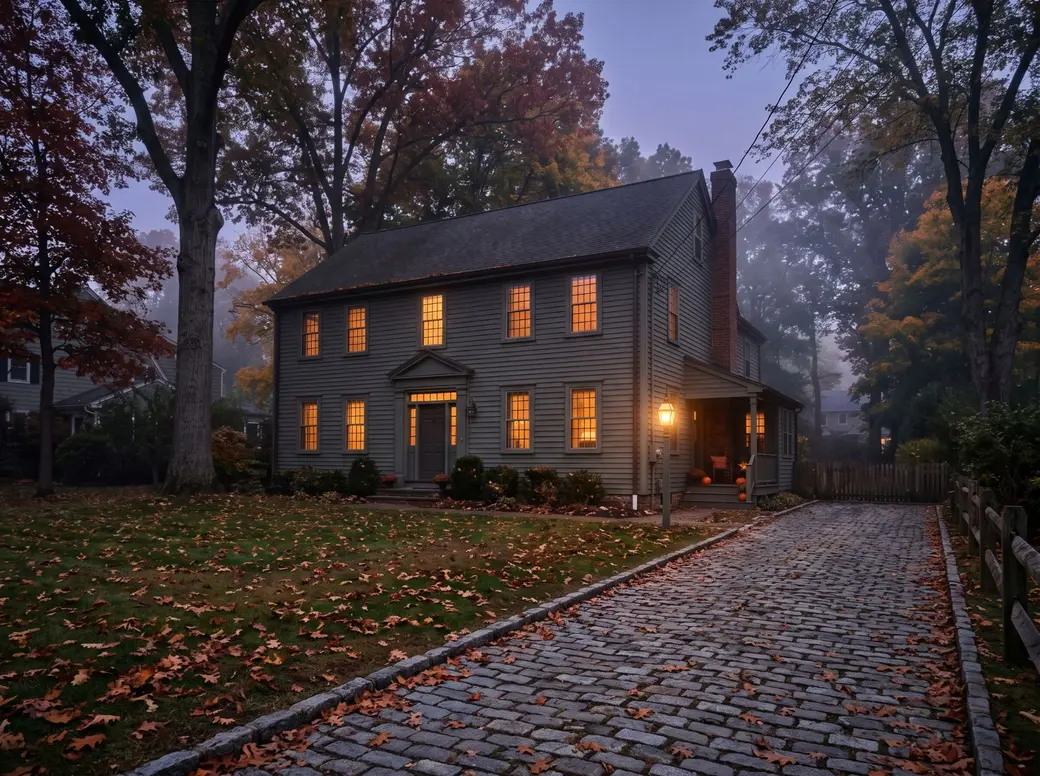
Spooky Real Estate Stories: How to Avoid a Home Buying Nightmare
October is the season for haunted hayrides, ghost tours at historic landmarks, and scary movie marathons.
If you ask any seasoned North Jersey real estate agent what truly keeps them awake at night, it is not haunted attics or creaky floorboards.
It is real estate nightmares.
Buying a home across Bergen, Essex, Passaic, or Hudson counties is one of the most exciting milestones of your adult life. It represents financial freedom, community roots, and personal pride.
Because our local housing stock is rich with historic architecture and complex municipal regulations, skipping basic due diligence can turn your dream home into an expensive nightmare.
From phantom building permits to buried metal monsters beneath the front lawn, these horror stories happen to real New Jersey buyers every single year.
Here are four true cautionary tales from the local market and the exact steps you must take to protect your family and your wallet.
1. The Phantom Oil Tank Lurking Beneath the Grass
Picture a charming 1940s center hall Colonial in Bergen County.
The buyer tours the home on a sunny afternoon. The seller proudly points out the modern gas furnace in the basement, mentioning that the house was converted from heating oil to natural gas back in 1985.
To save three hundred dollars, the buyer decides against ordering an electronic underground oil tank sweep.
Six months after closing, a faint petroleum smell drifts through the basement walls. The buyer hires an environmental technician who brings an electromagnetic locator onto the front lawn.
Beep. Beep. Beep.
Buried five feet beneath the manicured turf sits a corroded 550 gallon steel oil tank. When the previous owner switched to natural gas decades ago, the heating contractor simply disconnected the copper lines and left the old tank in the ground with leftover fuel inside. Over forty winters, groundwater corroded the steel shell.
Fuel leaked into the surrounding soil and began seeping toward the water table.
Under strict New Jersey Department of Environmental Protection regulations, the current homeowner is legally and financially responsible for soil remediation, regardless of who installed the tank.
Remediation crews had to dig up the entire front yard, jackhammer part of the driveway, and excavate sixty tons of contaminated soil down to bedrock. The final bill exceeded $65,000, completely out of pocket because standard homeowners insurance policies exclude environmental contamination.
The Lesson: Never Waive a Tank Sweep
Whenever you buy a single family home in North Jersey, order an independent electronic tank sweep during your home inspection contingency.
Even if the seller claims the property never had oil heat, an electronic sweep takes thirty minutes and costs under $300. If an undocumented tank is discovered, require the seller to have it properly removed, tested, and cleared with an official state No Further Action letter before you close.
2. The Unpermitted Dream: The Illegal In-Law Suite
A couple shopping for multi family real estate in Clifton finds what looks like the ultimate jackpot.
The listing features a spacious two family home with an extra finished basement suite. The basement boasts full height ceilings, a stylish kitchenette with a gas stove, a modern bathroom, and a private side entrance.
The buyers run the numbers. They figure the basement unit will easily rent for $1,600 a month, slashing their mortgage payment in half.
They close on the property, move in upstairs, and advertise the basement apartment for rent.
Two weeks later, an inspector from the municipal building department knocks on the front door responding to a neighbor complaint about street parking. The inspector asks to see the basement Certificate of Continued Occupancy.
There is only one problem: zero permits were ever pulled.
The previous homeowner finished the basement on weekends without architectural plans, electrical permits, or plumbing inspections. The bedroom lacks mandatory emergency egress windows, the gas line to the stove violates fire codes, and local zoning strictly prohibits a third residential dwelling unit on the parcel.
The city issues a stop work violation, levies $2,500 in municipal fines, and orders the immediate removal of the stove, kitchen cabinetry, and gas lines.
The buyers lost their projected $1,600 monthly rental cash flow overnight and spent thousands of dollars restoring the space to legal compliance.
The Lesson: File an OPRA Request Before Closing
Do not take listing descriptions or verbal disclosures at face value.
During your attorney review period, have your legal team file an official Open Public Records Act request with the local town hall.
An OPRA search reveals the complete municipal permit history for the property. You can verify whether that finished basement, rear deck, master bedroom addition, or upgraded electrical service was properly inspected and awarded an official Certificate of Approval.
If unpermitted work exists, demand that the seller obtain retroactive permits and municipal sign offs before you accept the keys.
3. The Vanishing Driveway: The Boundary Encroachment
In towns with mature neighborhoods like Montclair, South Orange, and Fair Lawn, property lines can be deceptively tricky.
A buyer falls in love with a charming brick Tudor. The property features a paved driveway leading back to a detached two car garage, flanked by a neat wooden fence.
The buyer's mortgage lender allows them to skip a physical boundary survey and use a basic title affidavit instead to save $800.
A year later, the adjacent property sells to a new owner who immediately orders a professional land survey to install an in ground swimming pool.
The surveyor pounds wooden stakes into the ground, revealing a shocking reality.
The boundary line runs straight down the middle of the buyer's paved driveway. The previous owner had widened the driveway twelve years ago, unknowingly encroaching three full feet onto the neighboring parcel.
The new neighbor refuses to grant a perpetual easement and legally requires the buyer to remove the asphalt from their land. The buyer is left with a driveway so narrow that their SUV cannot fit, rendering their garage useless and wiping out tens of thousands of dollars in resale value.
The Lesson: Always Order a Boundary Survey
Never skip a professional boundary survey when purchasing residential property in New Jersey.
A licensed land surveyor will physically measure property lines, locate hidden boundary pins, and identify any fence encroachments, shared driveway overlaps, or municipal utility easements.
Pair your survey with enhanced owner title insurance to protect your investment against future boundary disputes.
4. The Vanishing Contract: The Attorney Review Snatch
You tour a breathtaking Colonial in Ridgewood on Sunday afternoon. You submit an aggressive offer that evening. On Monday morning, the seller signs your purchase contract.
You pop a bottle of champagne to celebrate. You post the news on social media.
Then you wait.
Your attorney is busy with other matters and fails to review the contract or communicate with the seller's counsel until Thursday afternoon.
Meanwhile, on Wednesday morning, another buyer who missed the open house tours the property and submits an all cash offer thirty thousand dollars higher than yours.
Because New Jersey standard real estate transactions feature a mandatory three day attorney review period, contracts are legally non binding until both legal teams finalize riders or let the three business day window expire.
The seller's attorney issues a formal contract disapproval letter, releasing the seller from your agreement instantly.
Your deal is dead, and the seller signs with the backup cash buyer. You are left heartbroken with nothing to show for your efforts.
The Lesson: Partner with a Rapid Response Local Attorney
Real estate transactions in North Jersey move fast. You cannot afford to work with a general attorney who treats residential closings like an afterthought.
Hire a dedicated New Jersey real estate attorney who specializes in local transactions and responds to contracts within hours.
Your attorney should communicate with the seller's counsel immediately, negotiate riders aggressively, and conclude attorney review in twenty four to forty eight hours to lock the seller into contract before competing buyers can swoop in.
Real estate horror stories are completely preventable when you surround yourself with the right team. By executing thorough inspections, verifying municipal records, and moving with speed, your North Jersey home buying journey will be a dream rather than a scare.
Download our free buyers or sellers guide.
Ismael Rodriguez is a realtor at Real Broker. I cover all of North Jersey and specialize in Bergen, Essex, Passaic, and Hudson Counties.
Categories
- All Blogs (13)
- Bergen County (2)
- Bergen County Real Estate (3)
- Buying In NJ (4)
- Essex County Real Estate (5)
- FHA Loan (2)
- First Time Home Buyer (2)
- Homeownership (5)
- Hudson County (1)
- Ismael's Insights (5)
- Jersey City (1)
- Lionsgate (1)
- Local Events (3)
- Market Trends (3)
- News (3)
- Nj Lifestyle (4)
- NJ Market Trends (5)
- NJ Real Estate Law (1)
- North Jersey Real Estate (7)
- Passaic County Real Estate (2)
- Real Estate Tips (6)
- Real ID (1)
- Restaurants (1)
- Selling In NJ (2)
- Selling Your Home (2)
- Tariffs (1)
- Things to Do in NJ (5)
Recent Posts








GET MORE INFORMATION